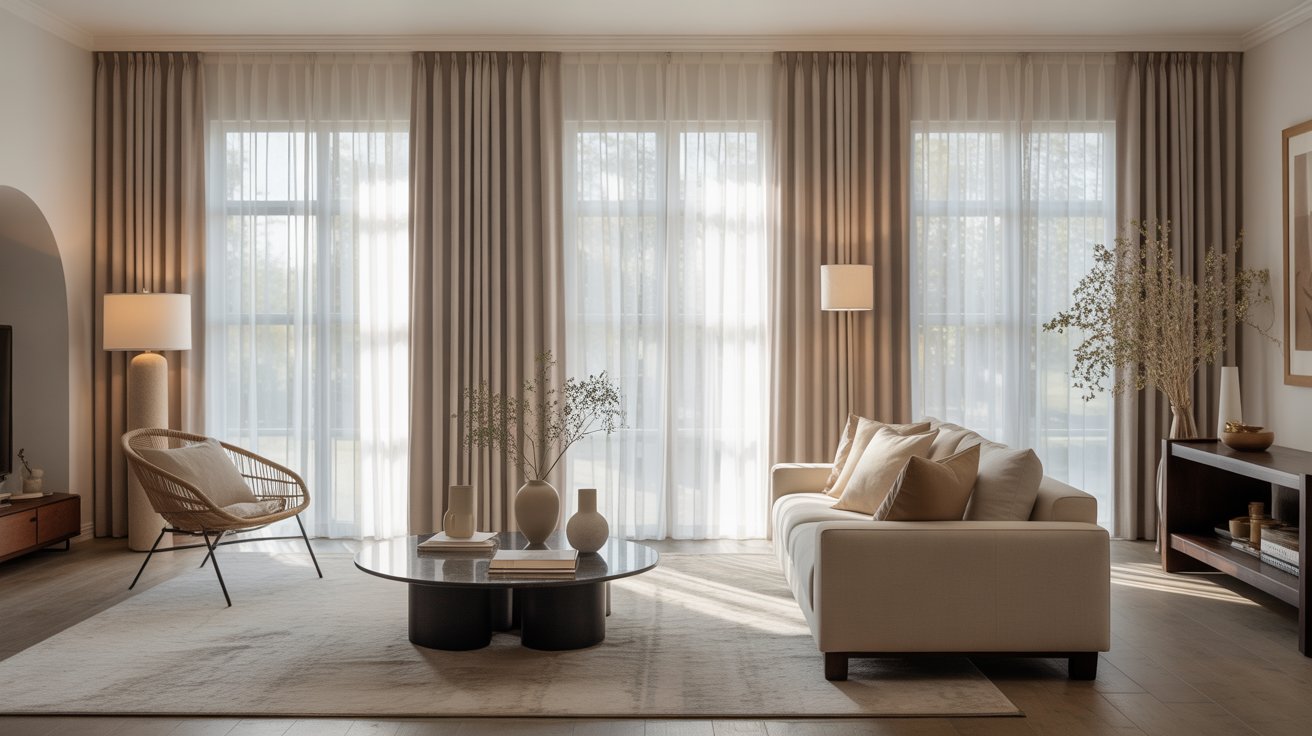
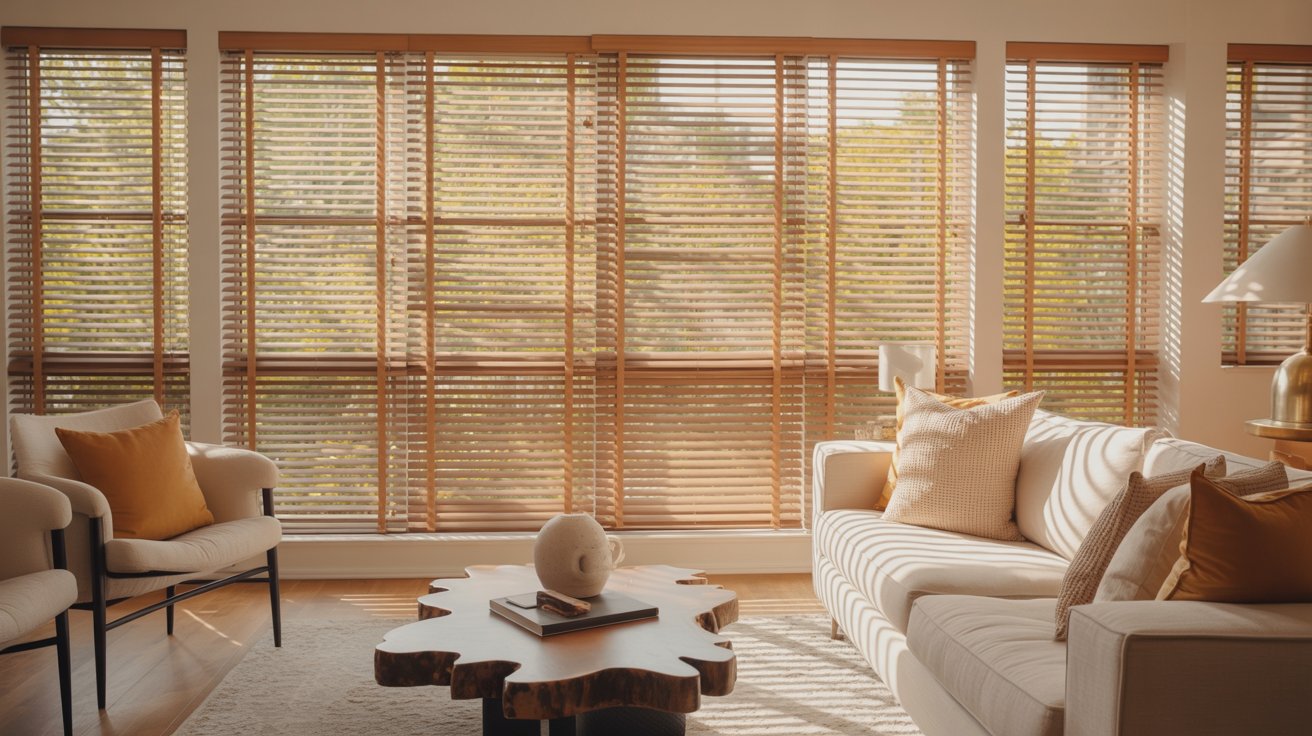
West-facing windows expose curtains to 4-6 hours of intense afternoon UV radiation daily, causing fabric colors to fade 3-5 times faster than those from east- or north-facing windows.
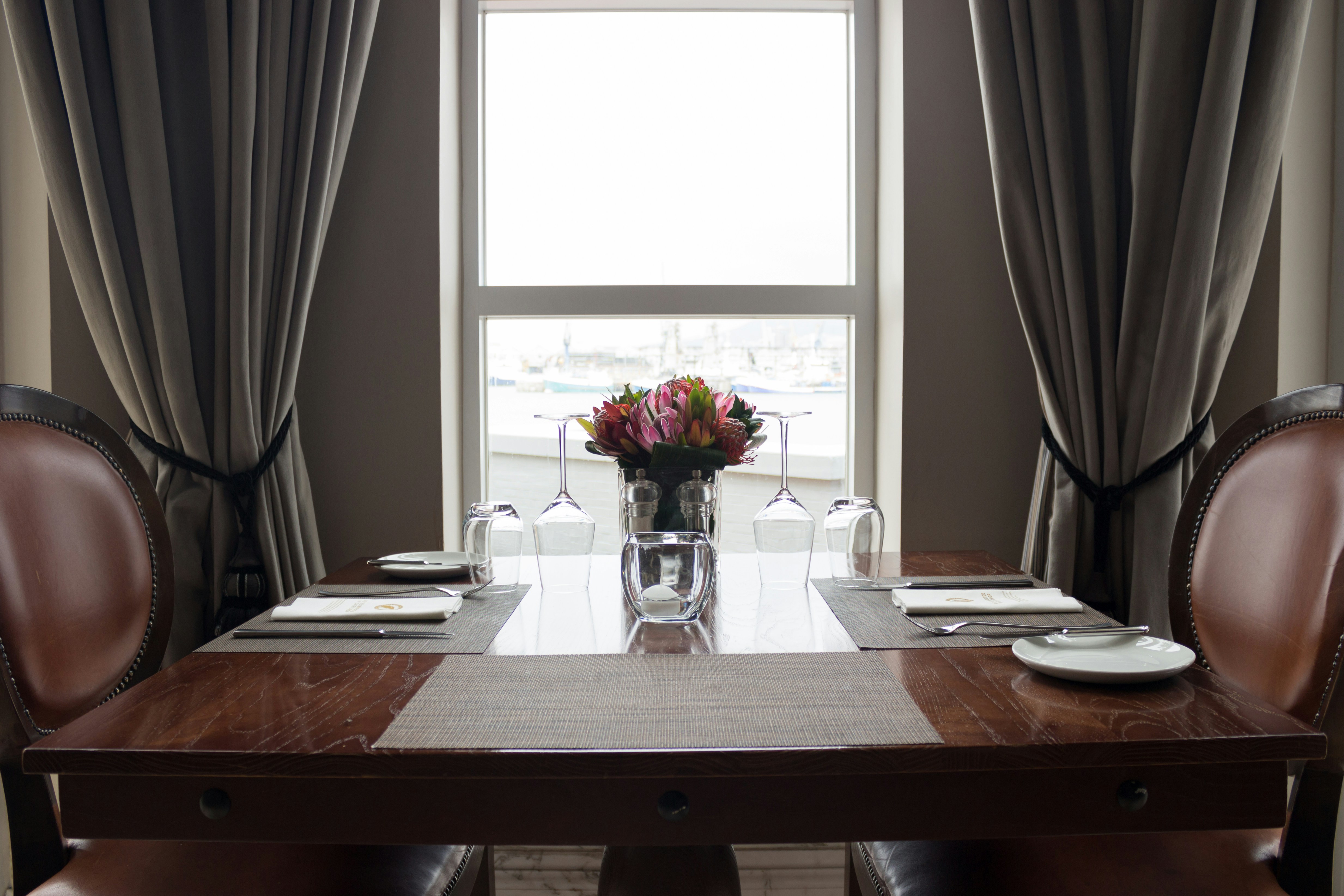
To prevent curtain fading in west-facing windows, use UV-blocking window film or cellular shades as a first layer, choose solution-dyed acrylic or polyester fabrics instead of natural fibers, and install curtains 3-4 inches away from the glass using extended brackets. The combination of UV filtering and heat-resistant fabrics reduces fading by 70-85% compared to unprotected cotton or linen curtains.
Why Do West-Facing Windows Cause More Fading?
West-facing windows receive direct sunlight during the hottest part of the day, typically between 2 PM and 6 PM. The Window Covering Manufacturers Association’s 2023 study found that afternoon sun carries 40% more heat energy than morning sun, which accelerates both UV damage and thermal degradation of fabric dyes.
Natural fibers like cotton, linen, and silk are particularly vulnerable because their dyes aren’t chemically bonded to the fiber structure. Synthetic fabrics with solution-dyed colors (where the pigment is added during fiber production) last 5-7 years longer in direct sunlight.
What Fabrics Resist Fading Best in Direct Sunlight?
Solution-dyed acrylic and polyester fabrics resist fading better than any natural fiber option. These materials have color integrated at the molecular level during manufacturing, not applied as a surface treatment.
| Fabric Type | Expected Lifespan (West Window) | Fade Resistance Rating |
|---|---|---|
| Solution-Dyed Acrylic (Sunbrella) | 8-10 years | Excellent (Grade 4-5) |
| Solution-Dyed Polyester | 7-9 years | Excellent (Grade 4) |
| Printed Polyester | 3-5 years | Good (Grade 3) |
| Cotton/Linen Blend | 2-3 years | Fair (Grade 2) |
| 100% Silk | 1-2 years | Poor (Grade 1) |
Sunbrella and Phifer are the two most reliable brands for outdoor-grade fabrics that work indoors. They’re designed for patio furniture but work perfectly for high-UV window applications.
How Does Window Film Protect Curtains from UV Damage?
UV-blocking window film blocks 99% of ultraviolet radiation while allowing visible light to pass through. The International Window Film Association reports that quality films (3M, Llumar, or Madico brands) reduce fabric fading by 60-75% without significantly darkening rooms.
You’ll want a film with a visible light transmission rate between 40% and 60%. Lower numbers darken the room too much, while higher numbers don’t block enough heat. The film costs $8-15 per square foot installed, but it protects not just curtains but also furniture, flooring, and artwork.
What’s the Best Curtain Installation Method for Heat Protection?
Installing curtains 3-4 inches away from the window glass using extended brackets creates an air gap that reduces heat transfer to the fabric by 35-40%. This spacing prevents the “baking effect,” where fabric pressed against hot glass degrades more quickly.
Installation Steps for Maximum Protection:
- Mount brackets 6-8 inches above the window frame (to make ceilings look higher and allow heat to escape upward).
- Use projection brackets that extend 3-4 inches from the wall, not standard 1-inch brackets.
- Extend rods 6-10 inches beyond each side of the window frame so curtains can stack completely off the glass when open.
- Add a pelmet or cornice box at the top to block heat rising between the curtain and the ceiling.
Should You Use Sheer Curtains or Blackout Linings?
Blackout linings protect decorative curtain fabric better than sheer layers because they block 100% of light and heat before it reaches the outer fabric. The Textile Research Institute’s 2024 testing showed that blackout-lined curtains lasted 4 times as long as unlined curtains under identical exposure to sunlight.
Sheers don’t protect the main curtain. They filter light for the room, but can’t stop UV radiation from hitting the fabric behind them. If you want daytime privacy with sun protection, install cellular shades or solar screens as your first layer, then hang decorative curtains over the top.
Do Curtain Colors Fade at Different Rates?
Red, purple, and blue dyes fade 2-3 times faster than earth tones or neutrals because their chemical structures break down more easily under UV exposure—the American Association of Textile Chemists and Colorists rates red as the least lightfast color family.
Colors Ranked by Fade Resistance (Best to Worst):
- Black, navy, dark brown (most stable pigments)
- Earth tones: tan, beige, olive, rust
- Yellow and orange (moderate stability)
- Green (varies by shade, lime fades faster than forest)
- Blue and purple (least stable in UV light)
- Red and pink (fastest fading of all colors)
How Often Should You Rotate or Replace West-Facing Curtains?
Rotating curtain panels every 6 months distributes sun exposure evenly and doubles the usable lifespan. Swap the left and right panels so the section that was furthest from direct sun moves into the hottest spot.
Even with all protective measures, plan to replace curtains in west-facing windows every 5-7 years for synthetic fabrics or 2-3 years for natural fibers. You’ll notice fading first along the leading edge, where panels overlap, and in the top 12 inches nearest the ceiling, where heat accumulates.
READ MORE: Top 7 Window Coverings for Calgary Residents
What About Exterior Shading Solutions?
Exterior solutions like awnings, solar screens, or exterior roller shades block heat before it enters the window, which is 5 times more effective than interior treatments. The U.S. Department of Energy states that exterior shading can reduce heat gain by 65-85%.
Fixed awnings work great if you don’t need winter sun for heating. Retractable versions cost $300-800 per window installed, but let you capture warmth in cold months. Exterior solar screens (Phifer SheerWeave is a quality brand) cost $200-400 per window and reduce both heat and UV by 70-90% while maintaining outward visibility.
Key Takeaways for Preventing Curtain Fading in West-Facing Windows
- Solution-dyed acrylic or polyester fabrics last 8-10 years in direct sun compared to 2-3 years for cotton or linen.
- UV-blocking window film (3M, Llumar, or Madico brands) blocks 99% of UV radiation and reduces fading by 60-75%.
- Install curtains 3-4 inches from the glass using extended brackets to create an air gap that reduces heat transfer by 35-40%.
- Blackout linings protect decorative fabric 4 times better than unlined curtains or sheer layers.
- Earth tones and dark colors (black, navy, brown, tan, beige) resist fading better than reds, purples, and blues.
- Rotate curtain panels every 6 months to evenly distribute sun exposure and double their usable lifespan.
- Exterior shading (awnings, solar screens) blocks heat before it enters and is 5 times more effective than interior treatments.
- West-facing windows receive 40% more heat energy than morning sun between 2 PM and 6 PM, according to the Window Covering Manufacturers Association 2023 study.
Ready to transform your windows?
Contact Averra Drapery and Blinds today for a free consultation and custom design quote.